
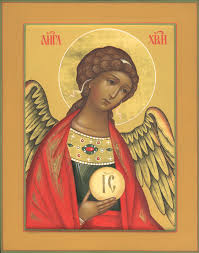
Michael, Gabriel and Raphael
The Feast of the Archangels is celebrated annually on September 29, honoring three of the archangels named in Scripture: Saint Michael, Saint Gabriel, and Saint Raphael. Through these three great heavenly messengers, the Church invites us to turn our attention toward the spiritual world—a reality that is always present, even though it is ordinarily invisible to our physical eyes.
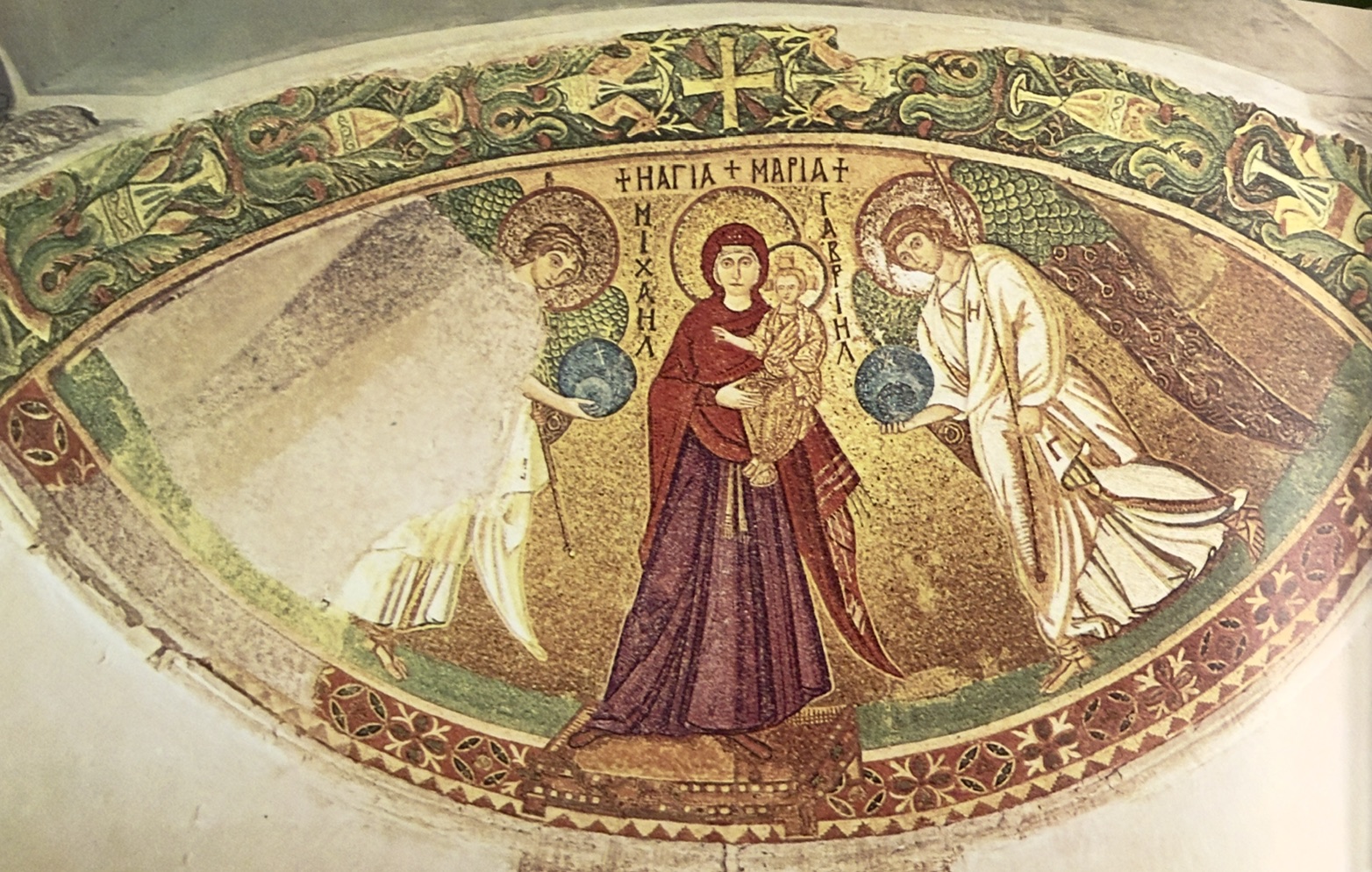
For iconographers, this feast offers a particularly rich opportunity for reflection. Icons do not simply illustrate stories about angels and saints. They remind us that the spiritual world is real and that God’s grace is continually at work in creation. The icon becomes a meeting place between the visible and invisible, inviting us to look beyond what can be seen with our physical eyes.
The Archangels are created spiritual beings, endowed by God with intelligence, wisdom, and power. They were created to know, love, and serve God and to participate in His work. At times, God sends His angels as messengers, protectors, guides, and helpers to humanity. Scripture also shows them participating in God’s work of judgment, deliverance, healing, and the proclamation of His will.
The three Archangels traditionally associated with September 29 each reveal something different about God’s action in the world: Michael defends, Gabriel announces, and Raphael heals.
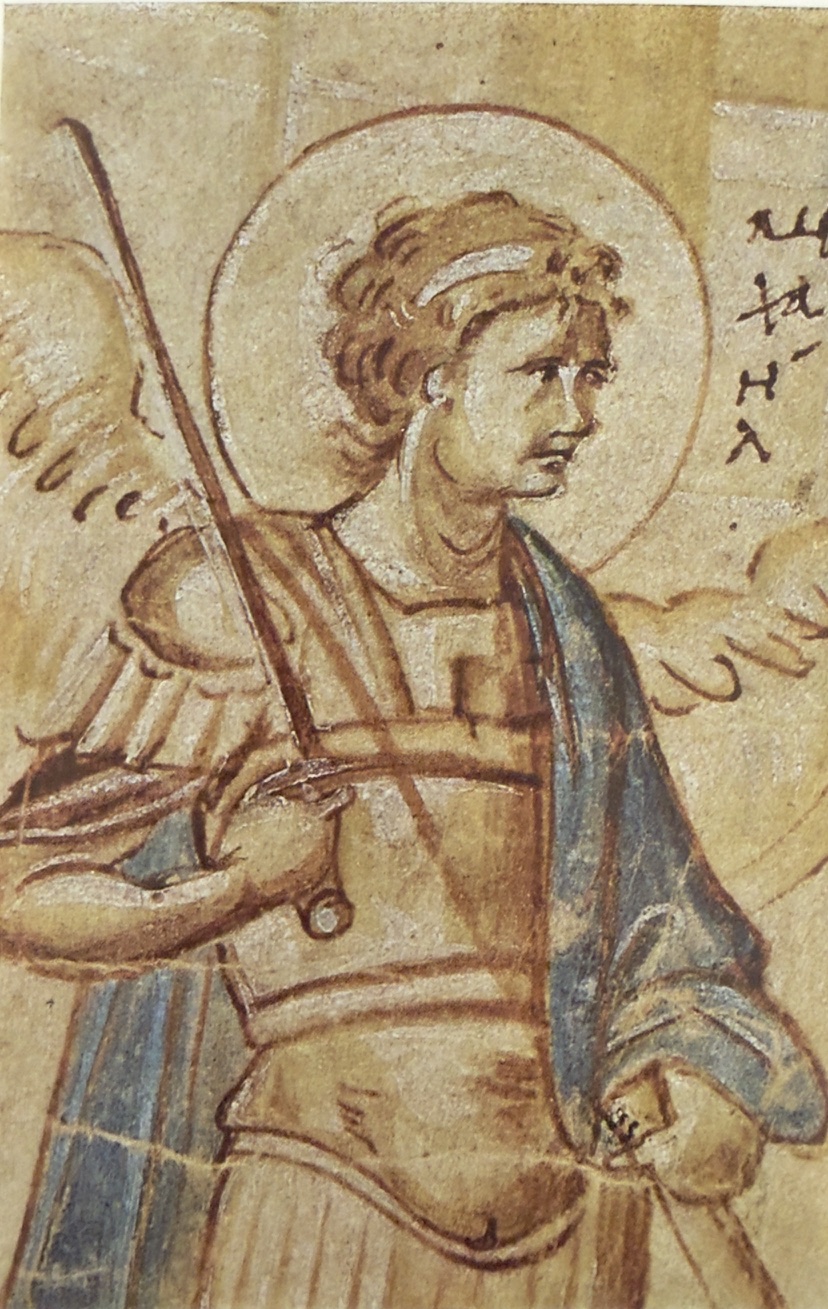
Saint Michael: “Who Is Like God?”
The name Michael means “Who is like God?” It is itself a declaration of God’s incomparable greatness. St. Michael is portrayed in Scripture as a warrior and defender and in the Book of Revelation, we read of a battle in heaven:
“Then war broke out in heaven; Michael and his angels fought against the dragon.”
—Revelation 12:7
Archangel Michael and his angels overcome the dragon, identified with Satan, and cast him out. Michael therefore comes to be especially associated with the defense of God’s people and the defeat of evil.
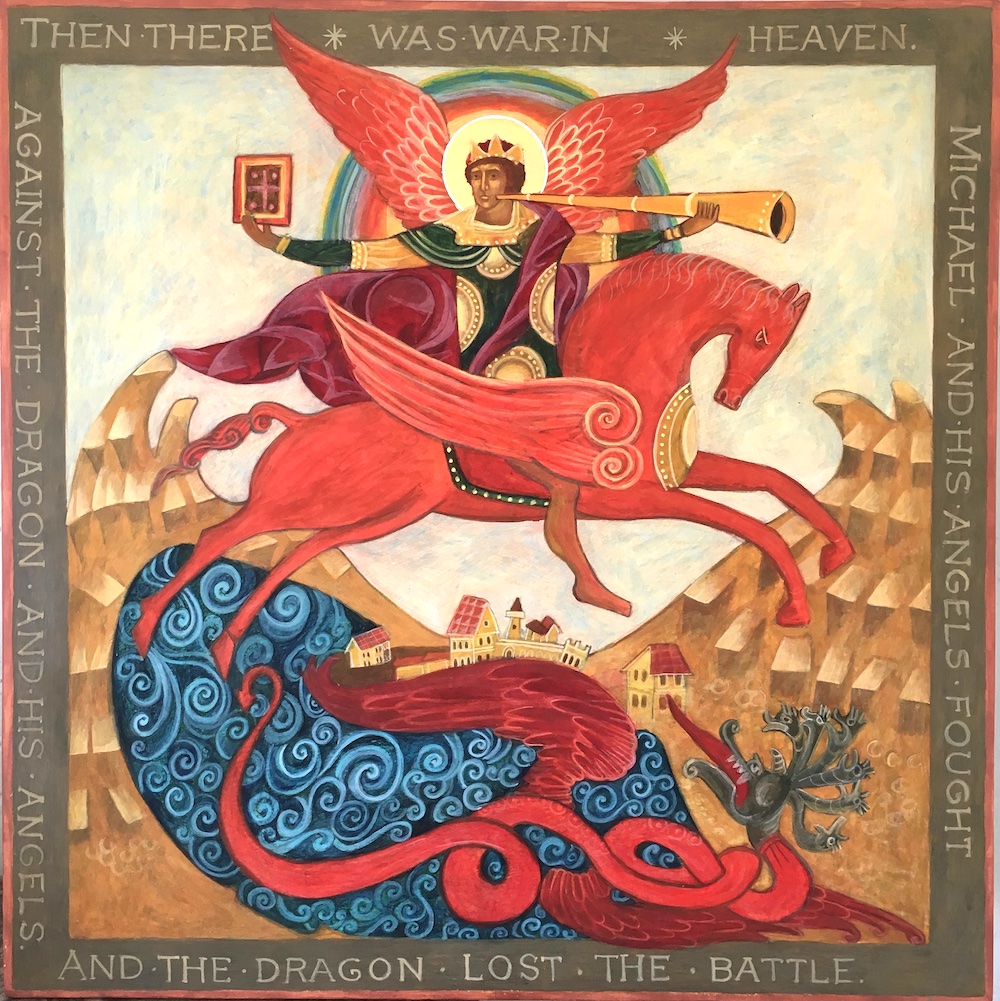
The iconographic tradition frequently depicts Michael with a sword, spear, or staff, standing over the defeated dragon or serpent. Yet the purpose of this imagery is not simply to portray a warrior. The deeper theological meaning is that evil does not have the final word. Michael’s very name points us back to the source of his strength: Who is like God?
For the iconographer, this is important. The power depicted in an icon of Michael is not the power of the angel independent of God. The strength and power of the archangels comes directly from God and from their obedience to and participation in God’s will.
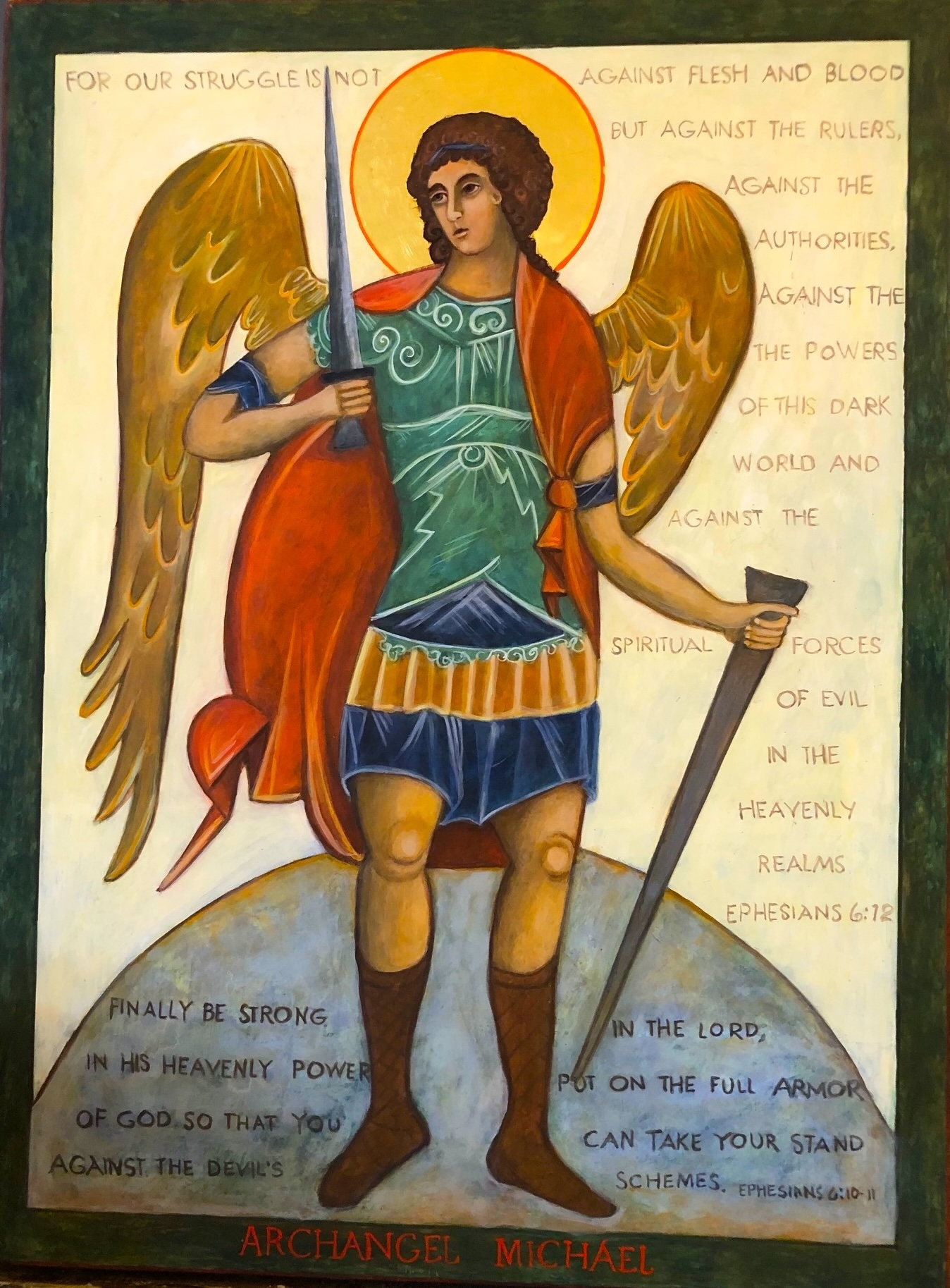
St. Michael’s icon therefore points beyond St, Michael himself. His raised sword becomes an image of divine justice, courage, and the victory of God’s order over the forces that seek to distort and destroy it.
When we write an icon of Saint Michael, we might ask ourselves: What does it mean to stand faithfully in the presence of God? What does it mean to resist evil not through our own strength, but through obedience and in humble service to God?
Saint Gabriel: “God Is My Strength”
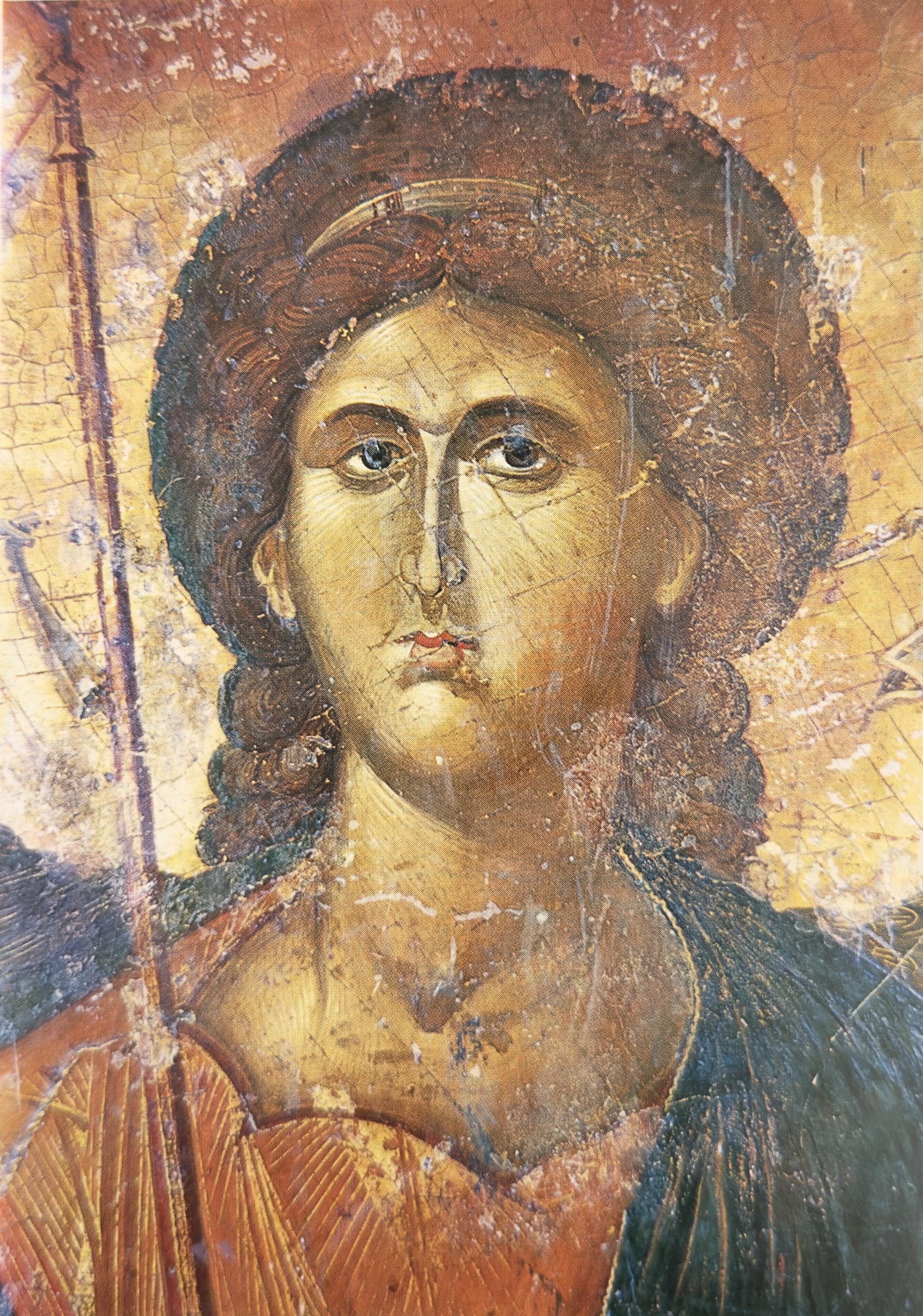
The name Gabriel is traditionally understood as meaning “God is my strength” or “Strength of God.” Gabriel is perhaps the most recognizable of the archangels because of his role as God’s messenger in the Gospel of Luke.
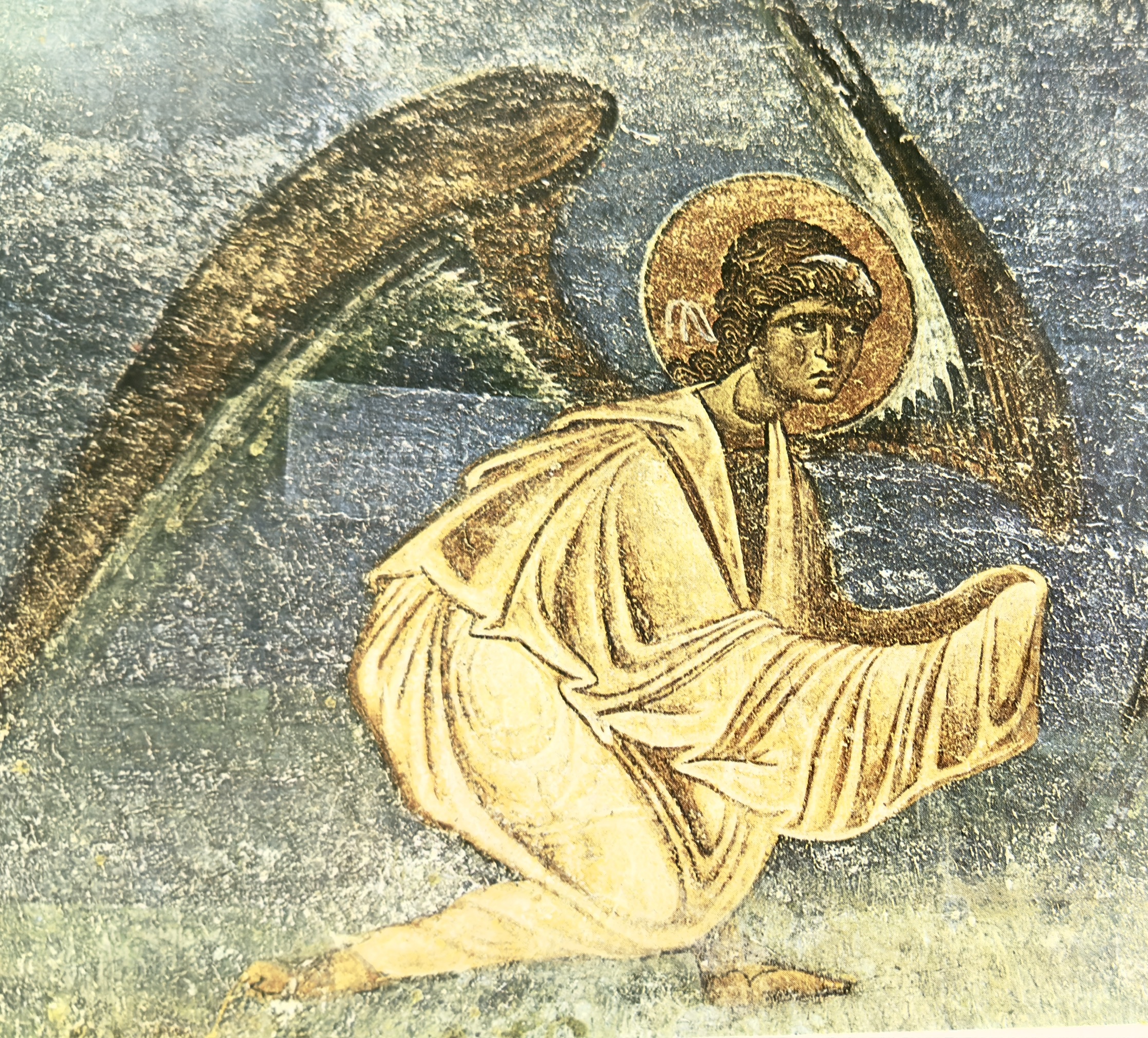
Gabriel first appears to Zechariah, announcing the birth of John the Baptist. Later, he is sent to Mary with the announcement that she will become the mother of the Savior.
The words of Gabriel’s message to Mary are among the most familiar in all of Scripture:
“Greetings, favored woman! The Lord is with you!”
—Luke 1:28 Gabriel continues: “Do not be afraid, Mary, for you have found favor with God. You will conceive and give birth to a son, and you will name him Jesus.”
—Luke 1:30–31
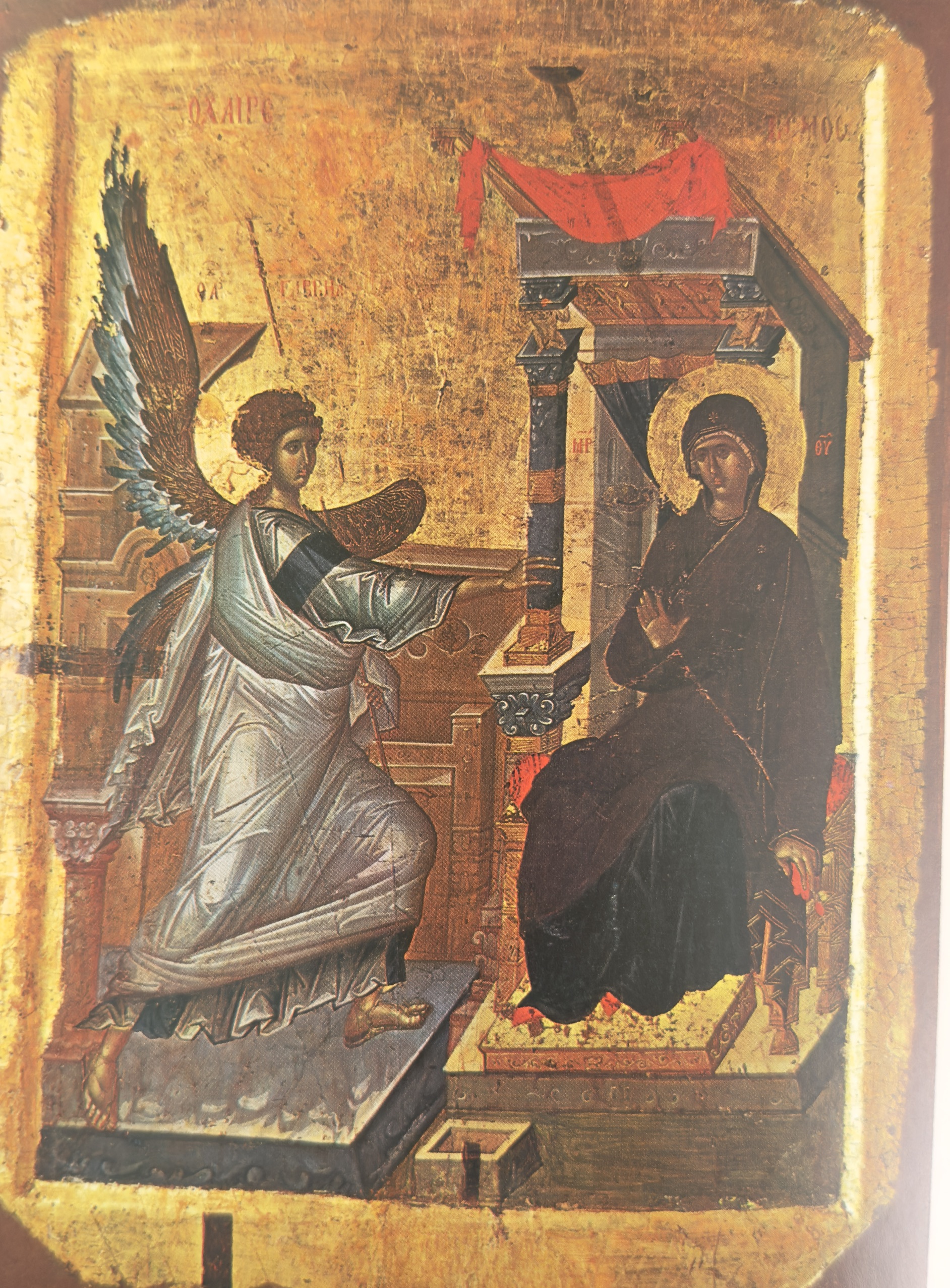
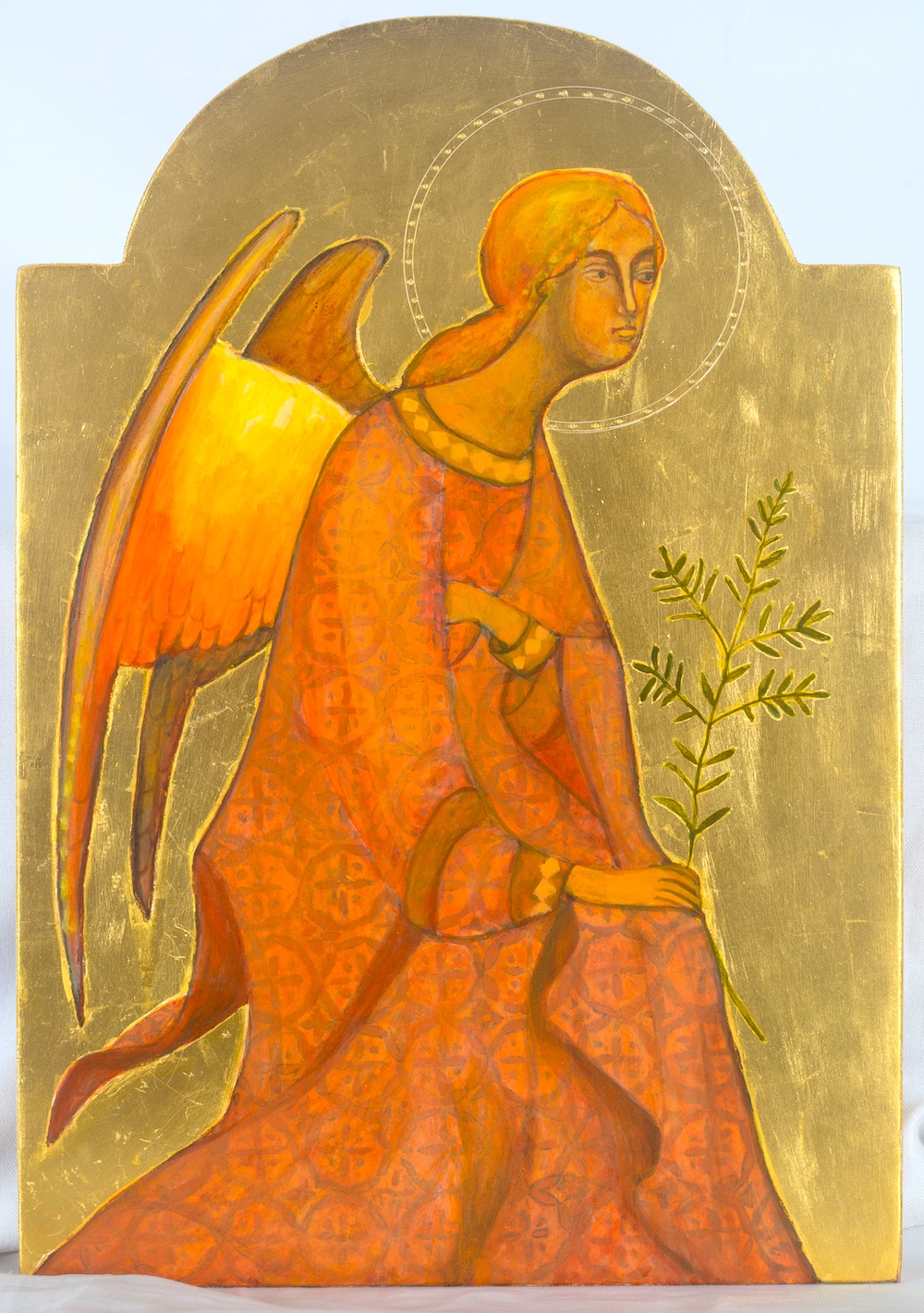
Here the Archangel becomes the bearer of the most extraordinary message ever entrusted to an angel: God is taking human form through the Holy Spirit and Mary’s obedience to God’s will.This makes Gabriel particularly significant for iconographers. He stands at the threshold between the invisible and visible worlds, carrying God’s word into human history.
In icons of the Annunciation, Gabriel’s gesture, posture, and movement are therefore important. He is not merely delivering information. He is announcing the beginning of the fulfillment of God’s plan of salvation.
Mary’s response is equally important: “I am the Lord’s servant. May your word to me be fulfilled.”
—Luke 1:38
The Annunciation reveals a profound relationship between divine initiative and human response. God speaks; Mary listens. God gives; Mary receives. The Word is announced, and through Mary’s yes, the Word becomes flesh.
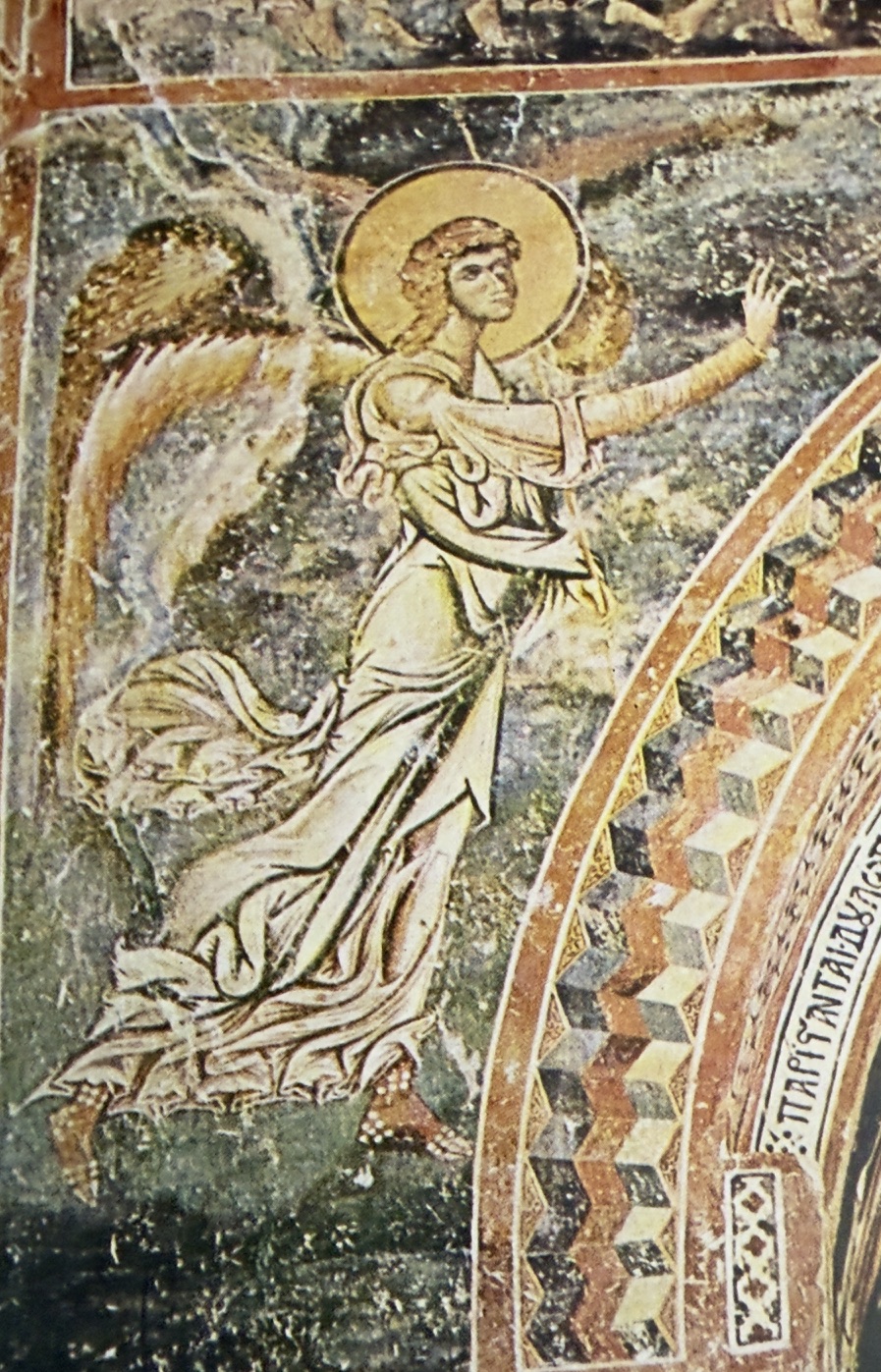
For the iconographer, Gabriel therefore points toward the mystery of receptivity. The iconographer, too, is called to listen—to Scripture, to the tradition of the Church, and to the movement of the Holy Spirit—and to respond faithfully.
Saint Raphael: “God Heals”
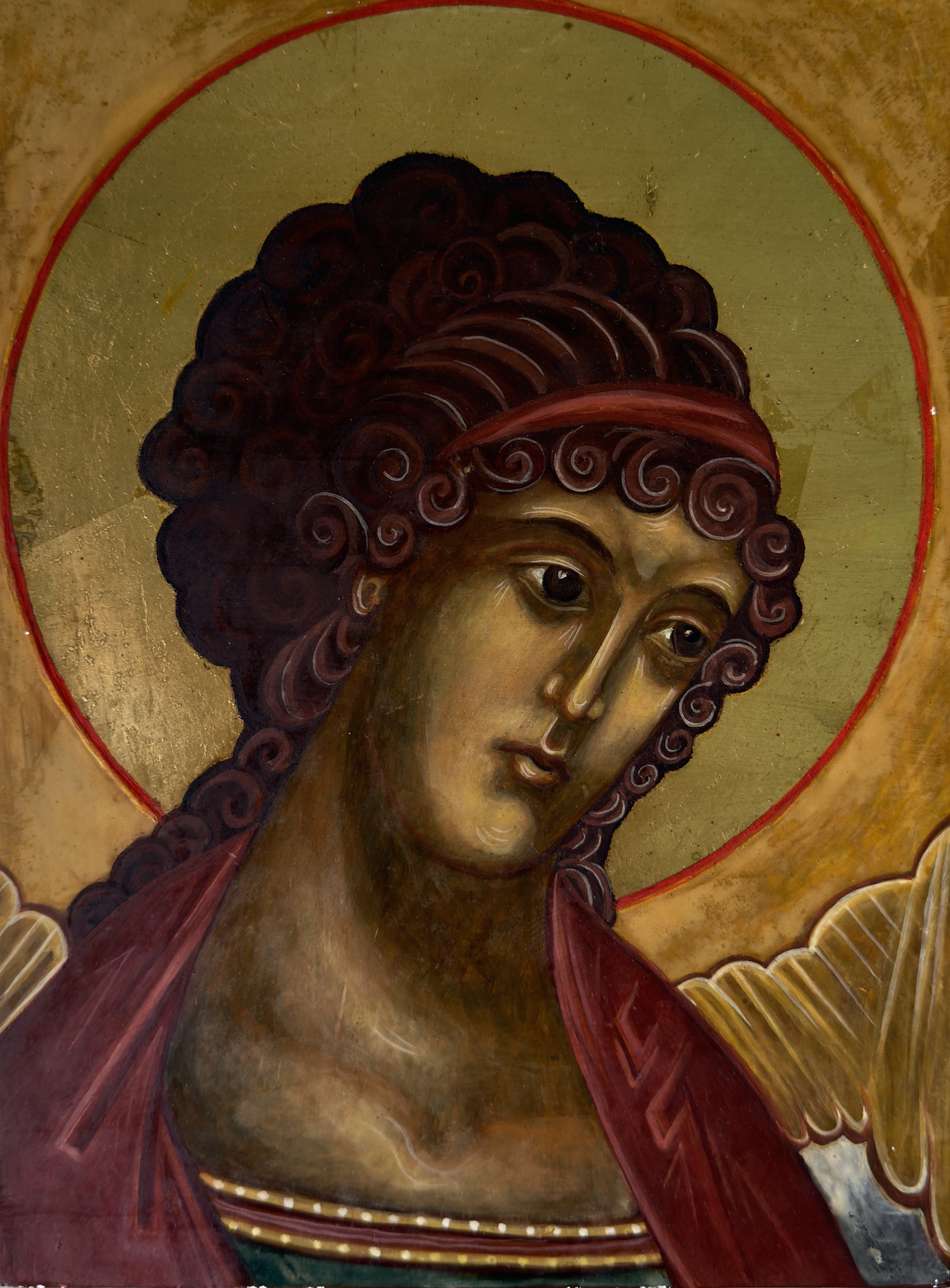
The name Raphael means “God heals.” Unlike Michael and Gabriel, Raphael’s story is found primarily in the Book of Tobit, where he accompanies the young Tobias on his journey where he encounters a fish that brings healing, and healing of a woman oppressed by the sudden deat of seven husbands, one after another..
Raphael does not initially appear to Tobias as a glorious heavenly being. Instead, he takes the appearance of a human traveling companion and accompanies Tobias on his journey. Along the way, Raphael protects and guides him and assists him in overcoming the spiritual and physical dangers that threaten his family.
Perhaps Raphael’s most important role is revealed through the healing of Tobit, Tobias’s father, who has been blind. Raphael instructs Tobias in the use of the fish’s gall, through which Tobit’s sight is restored.
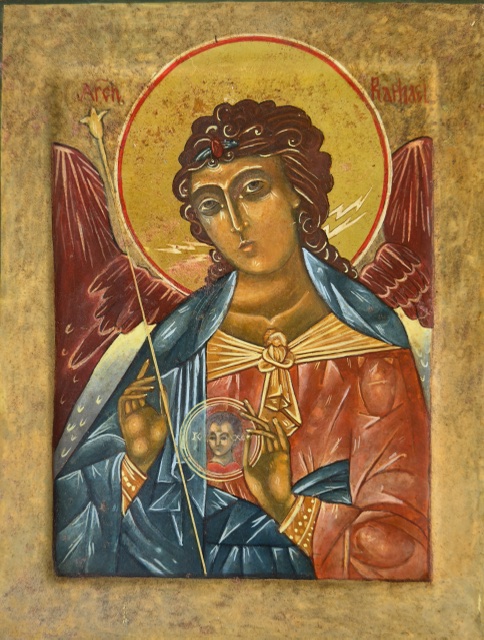
At the conclusion of the story, Raphael reveals his true identity:
“I am Raphael, one of the seven angels who stand in the glorious presence of the Lord.”
—Tobit 12:15
Raphael’s story reminds us that God’s healing often comes through a journey. There may be fear, uncertainty, suffering, and obstacles along the way, yet God does not abandon His people. For this reason, Raphael became associated with healing, travelers, physicians, and those who care for the sick. His iconography often includes the young Tobias and the fish, connecting the image directly to the story in Tobit.
For iconographers, Raphael offers another important meditation: God’s grace is often present even when it is not immediately recognized. Tobias does not initially understand that his traveling companion is an angel. The divine presence is hidden within an ordinary-looking journey.
The Angels and the Icon
What does all of this have to do with iconography? Perhaps more than we sometimes realize. Modern life can easily train us to think that only what can be measured, photographed, or physically experienced is real. Icons challenge this assumption. They open a window toward a reality that cannot be reduced to the material world.
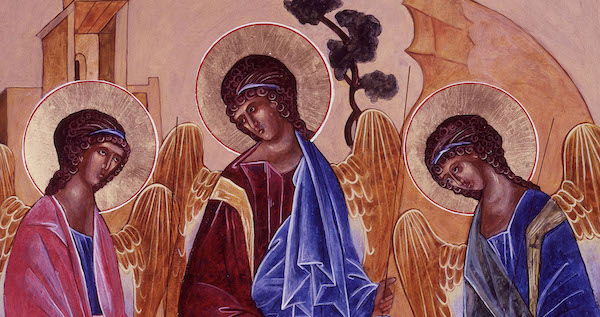
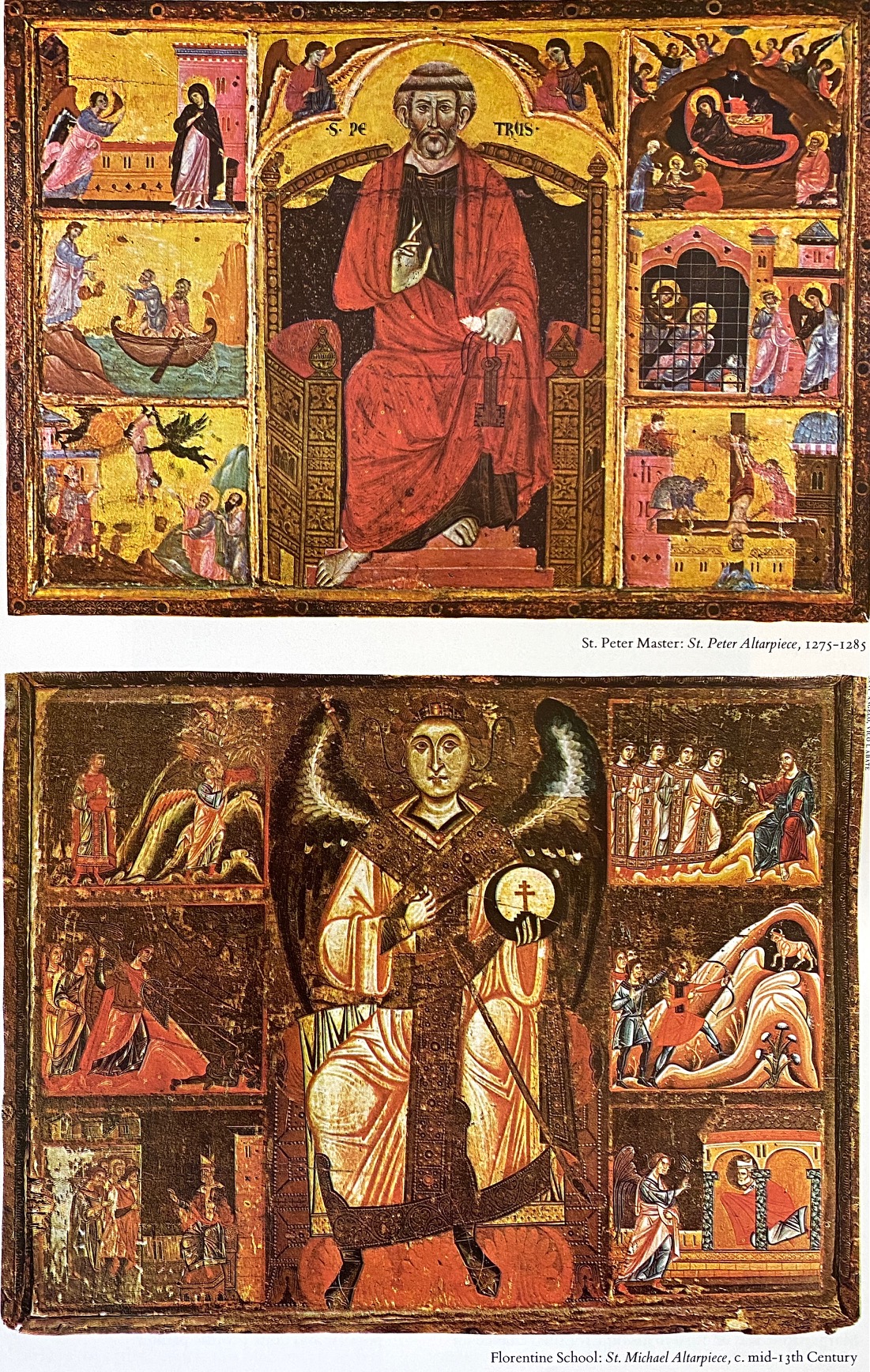
When we write an icon of an angel, we are not attempting to create a realistic portrait of a creature whose physical appearance we have observed. Angels are spiritual beings. Their depiction is therefore symbolic and theological. The wings, garments, gestures, colors, attributes, and inscriptions all participate in communicating something about their heavenly identity and mission.
The icon makes visible something that is ordinarily invisible.
This is one of the great gifts of sacred art. Icons help us break the habit of underestimating the spiritual world. They place before us the saints and angels whose lives have been transformed through their participation in God’s grace.
The Archangels, in particular, remind us that God’s creation is far larger than what our physical senses perceive. Michael reminds us of God’s victory and protection. Gabriel reminds us of God’s Word and His call. Raphael reminds us of God’s healing presence and guidance.
And all three remind us that the angels do not draw attention to themselves. Their purpose is ultimately to glorify God and to serve His purposes. The Archangels and the Iconographer
There is also something here for those of us who write icons. Icon writing requires patience, humility, attention, and prayer. We begin with materials that seem ordinary: wood, gesso, pigments, egg, gold. Layer by layer, the image emerges.
In much the same way, the stories of the Archangels invite us to look beneath appearances. Saint Michael teaches us courage and fidelity. Saint Gabriel teaches us listening and obedience. Raphael teaches us trust in God’s presence along the journey. Perhaps these are qualities that every iconographer needs.
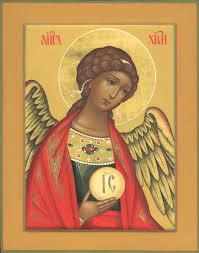
We are not simply producing beautiful religious objects. We are participating in a tradition whose purpose is to turn the human person toward God. The iconographer’s task is therefore one of service. Like the angels, we are called to point beyond ourselves.
An icon of St.Michael should ultimately lead us toward God, who alone is victorious. An icon of Gabriel should lead us toward Christ, the Word who became flesh. An icon of Raphael should lead us toward the God who heals and accompanies us.
The Feast of the Archangels is therefore more than a celebration of three extraordinary heavenly beings. It is an invitation to remember that heaven and earth are not separated as completely as we often imagine. God’s creation is filled with His presence, and His heavenly messengers continually serve His purposes.
As iconographers, perhaps we can allow this feast to deepen our own practice. As we prepare the board, draw the image, lay the gold, and build the forms with successive layers of color, we can remember that we are working at the boundary between the visible and invisible.
And we can ask the Archangels to accompany us:
Saint Michael, defend us and help us stand faithfully in the truth of God.
Saint Gabriel, help us hear God’s Word and respond with Mary’s humility and obedience.
Saint Raphael, accompany us on our journeys and intercede for healing in body, mind, and spirit.
May the Archangels help us to remember that all our gifts—including the gift of iconography—are ultimately given for one purpose: to know, love, and glorify God.
Blessings to each of you, until next month,
Christine Hales
My Links:
LINKS For Christine Simoneau Hales 2026
- https://newchristianicions.com my main website
- Https://christinehalesicons.com Prints of my Icons
- https://online.iconwritingclasses.com my online pre-recorded icon writing classes
- https://www.youtube.com/channel/UCK2WoRDiPivGtz2aw61FQXA My YouTube Channel
- Facebook: https://www.facebook.com/ChristineHalesFineArt or https://www.facebook.com/NewChristianIcons/
- Instagram: https://www.instagram.com/christinehalesicons/?hl=en
- American Association of Iconographers: FB Group: https://www.facebook.com/groups/371054416651983
- American Association of Iconographers Website: https://americanassociationoficonographers.com
- My Patreon Site: https://christinehalesfineart.com
















.jpg)