
Faithful Iconographer in an Age of Persecution
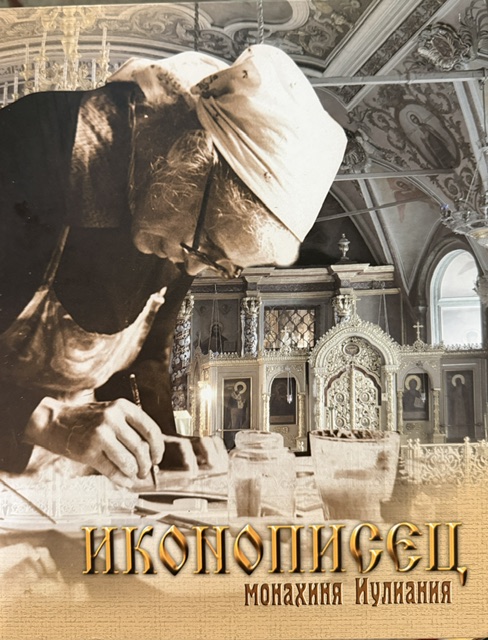
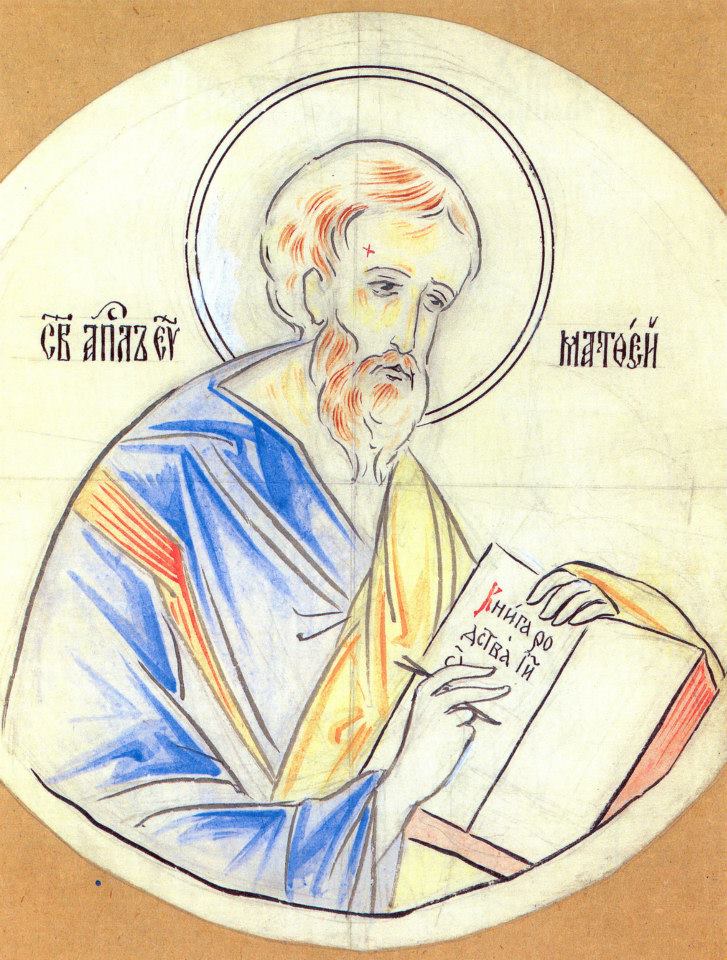
Throughout the history of iconography, there are artists whose lives remind us that writing icons is far more than mastering technique—it is an act of faithfulness. One such witness is Mother Juliana (Maria Nikolaevna Sokolova, 1899–1981), one of the most revered iconographers of the Russian Orthodox Church.
Living through some of the darkest years of Soviet persecution, Mother Juliana remained steadfast in her sacred vocation. While churches were closed, monasteries destroyed, and religious life driven underground, she continued to preserve and create holy icons, embodying the Orthodox understanding that iconography is both prayer and divine revelation.

Learning from the Ancient Masters
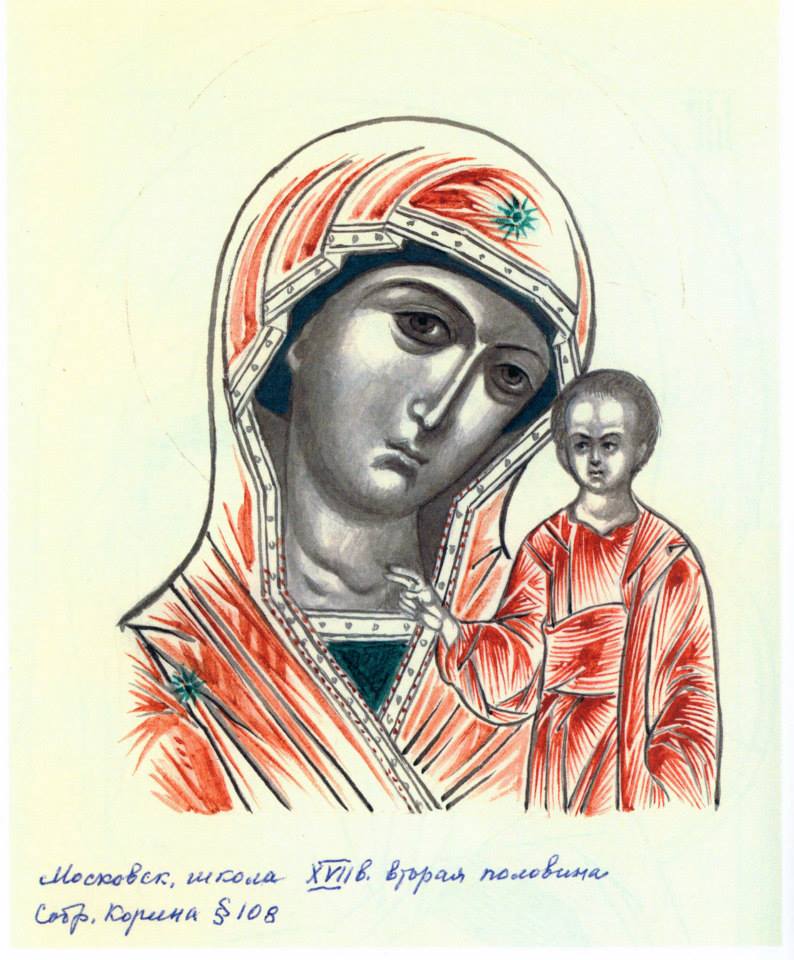
During 1928–1929, at a time when religious art was being suppressed, Maria Sokolova devoted herself to copying the ancient icons and frescoes of Vologda, Pskov, and Novgorod. These years of careful study immersed her in the visual language of the great iconographic tradition and helped preserve works that might otherwise have been lost.
She was the goddaughter of the priest-martyrs Saint Alexei Mechev and Sergii Mechev, and studied icon painting under the renowned restorer Vasily Osipovich Kirikov. Her artistic formation was deeply rooted in both spiritual guidance and careful apprenticeship.
Mother Juliana developed a particular love for the fifteenth-century Moscow school of icon painting. Rather than simply copying historical works, she absorbed their theological vision, allowing their harmony, restraint, and spiritual depth to shape her own icons.
A Hidden Monastic Vocation
By 1932, she had become a spiritual guide within her community. Although she had long embraced the monastic life inwardly, she secretly took her monastic vows in 1970, receiving the name Juliana. Her hidden vocation reflected the reality faced by countless Orthodox Christians who practiced their faith quietly under Soviet rule.Throughout these difficult decades, icons were often regarded by the state merely as medieval artifacts or museum pieces rather than living expressions of the Church’s worship. Yet Mother Juliana never lost sight of their true purpose. For her, icons were windows into the Kingdom of God, created for prayer and communion with Christ.
Restoring the Spiritual Heart of Russia
During the Second World War, government pressure on the Church eased somewhat, allowing the reopening of the Trinity Lavra of St. Sergius. Mother Juliana was invited to assist in the restoration of this great monastery.
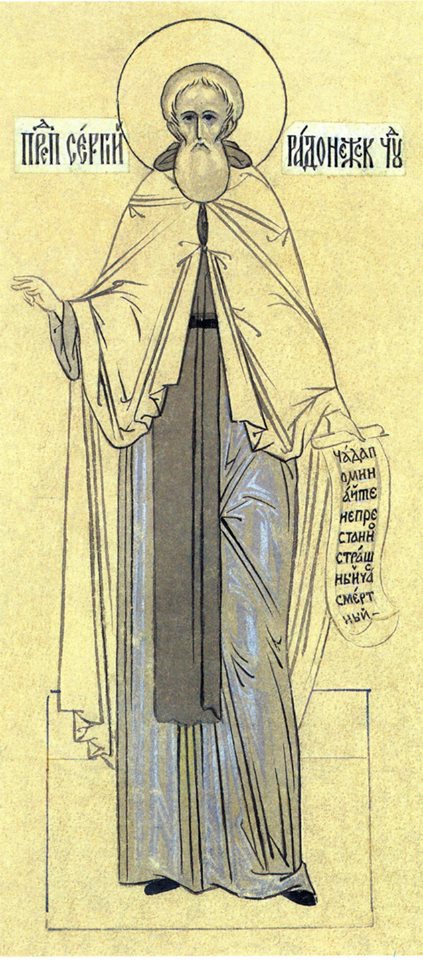
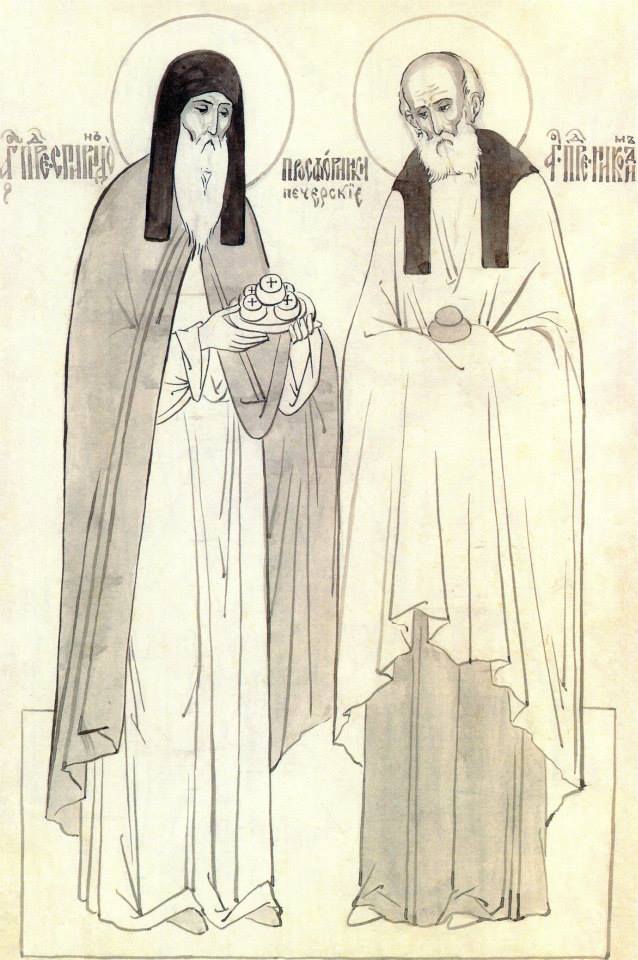
There she painted numerous icons for bishops and patriarchs, completed iconostases, and created icons of individual saints for monastery chapels. Her work helped restore not only damaged churches but also the spiritual life of a nation emerging from years of persecution.Among her favorite subjects were the Russian saints, especially large assemblies of holy men and women who had shaped the spiritual history of Holy Rus’. Her icons radiate tranquility, prayerfulness, humility, and remarkable spiritual endurance—qualities that reflected her own life
Preserving a Living Tradition
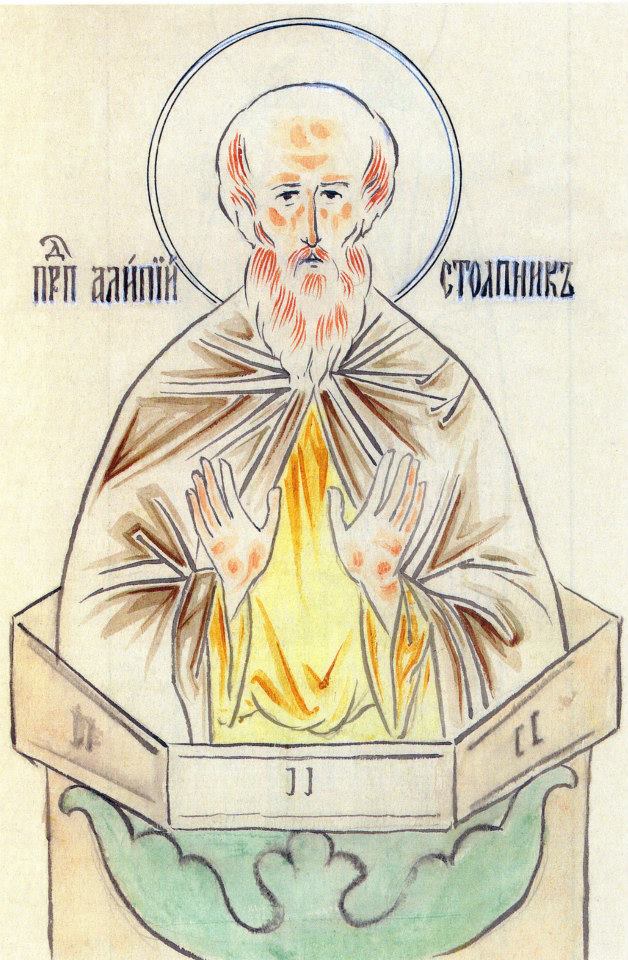
Mother Juliana’s legacy extends far beyond the icons she painted. She became a trusted teacher and mentor, encouraging artists and restorers from across Russia to rediscover the ancient traditions of iconography. As religious life slowly revived in the later Soviet period, many sought her wisdom and guidance.Her most significant icons, frescoes, and preparatory drawings were later restored and exhibited in the 2010 exhibition Blessed Work at the Andrei Rublev Museum, offering a new generation the opportunity to appreciate both her artistic excellence and her unwavering faith.
A Lesson for Today’s Iconographers
Mother Juliana’s life offers an important lesson for contemporary iconographers. She reminds us that the true calling of the iconographer is not merely to preserve an artistic style but to preserve a living tradition of prayer. Her faithfulness during years of oppression demonstrates that iconography flourishes not because of favorable circumstances but because of hearts devoted to Christ.
Today we are witnessing a remarkable revival of icon writing throughout the world. Christians of every age are discovering the spiritual discipline of writing icons, and many are beginning to understand their profound theological significance. In many ways, this modern renewal is part of the rich harvest planted by faithful servants like Mother Juliana.
Her life encourages us to approach every icon board with humility, patience, prayer, and love, trusting that each icon we write becomes another witness to the enduring presence of Christ in His Church.
This post is part of a series of articles on “Lessons for Iconographers”. From Nun Juliana we can learn:
- Study the masters deeply. She spent years copying ancient icons before developing her own hand.
- Technique serves prayer. Her icons were born from an ascetic life, not merely artistic skill.
- Remain faithful in every season. She continued her vocation even when iconography was discouraged and dangerous.
- Preserve tradition while serving the living Church. Ancient forms became living witnesses through her work.
- Teach the next generation. Her greatest legacy may not have been the icons she painted, but the iconographers she inspired.
Below are links to some of the sources I used for this article. As you enjoy your summer, I hope this keeps you inspired!
Blessings and prayers, and please keep me and my work in your prayers!
Christine Hales
Mother Juliana Links:
One of My Earlier Posts About Nun Juliana and Drawing for Icons

History of Icons book- excellent resource!


