Discover the Spiritual Depth of Icons and Saints

Two Books That Open the Heart Through Icons and the Saints

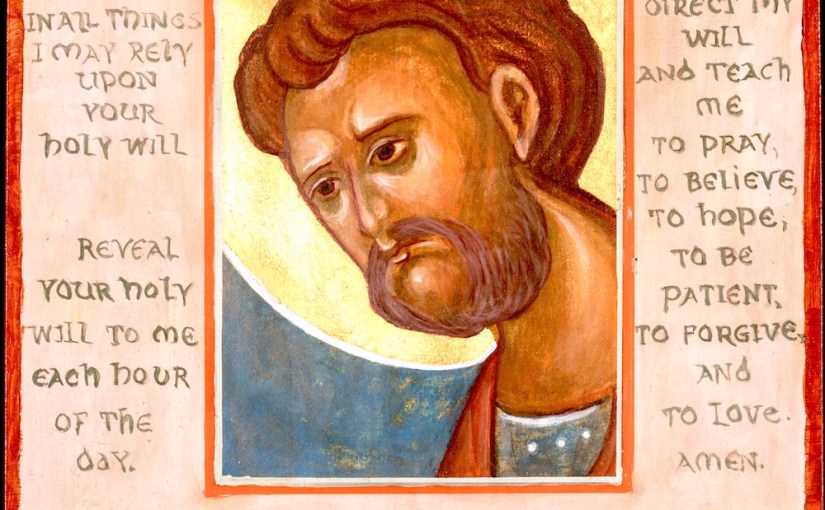
John the Baptist Icon. written by Christine Hales

In the world of Christian spirituality, a beautiful mystery unfolds whenever art and prayer meet. Two icon related books—The Dwelling of the Light: Praying With Icons of Christ by Dr. Rowan Williams, and The Song of Saints: Celebrating the Saints with Anglican Prayer Beads by Catherine Gotschall—offer readers rich opportunities to encounter that mystery with depth and devotion. Though very different in scope, each invites us to slow down, to look more deeply, and to let the Holy Spirit reshape how we see God, the world, and ourselves.

Seeing Christ Anew: Rowan Williams on Praying With Icons

When The Dwelling of the Light was first published in 2003, Dr. Rowan Williams had just begun his tenure as Archbishop of Canterbury. Already a respected theologian and scholar, Williams offered the world a slim but luminous volume on praying with icons of Christ. It remains one of his most beloved spiritual works.

Madonna and Child. Written by Christine Hales

At the heart of the book lies a profound reverence for icons—not as decorative artifacts, but as encounters with divine presence. Williams writes:

“In their presence you become aware that you are present to God and that God is working on you by his grace, as he does in the lives and words of holy people.”

Using four deeply significant icons—The TransfigurationThe ResurrectionThe Hospitality of Abraham, and Christ Pantocrator—he guides the reader into a prayerful way of seeing. Icons, he suggests, are not depictions of a moment frozen in history; they reveal a life “radiating the light and force of God.”

Resurrection Icon. written by Christine Hales

In Williams’ hands, each icon becomes not only an image but a doorway: a way for Christ’s transfiguring presence to shape our own vision of the world. The book is small enough to read in an afternoon but expansive enough to ponder for years.

I have always appreciated Dr. Williams’ viewpoint on icons and sacramentals in the Anglican Church. Sometimes on my lunch break I like to pick up one of his books for some quick inspiration!

Williams wrote a companion volume a year earlier—Ponder These Things: Praying With Icons of the Virgin (Canterbury Press, 2002)—which offers a similar depth of prayer through icons of Mary.

Related Links
• Image Journal: Conversation with Rowan William
 Author Page with additional works by Dr. Williams

Praying With the Cloud of Witnesses: Catherine Gotschall’s The Song of Saints

While Williams leads us to contemplate the face of Christ, Catherine Gotschall invites us to pray with the saints themselves. A lifelong Episcopalian, Gotschall has created an extraordinary resource in The Song of Saints: Celebrating the Saints with Anglican Prayer Beads.

I met Catherine at the Episcopal Convention of South West Florida several weeks ago and want to share this interesting book with you all since first class books on the lives of the saints are hard to come by!

Her book presents the lives of more than fifty saints from across the centuries—men and women whose faithful witness continues to echo through Christian history. Arranged within the six cycles of the liturgical year, the saints span the 1st to the 20th century and represent Roman Catholic, Orthodox, and Protestant traditions.

Mary of Egypt Icon by Christine Hales

But what makes the book truly distinctive is its prayer practice. For each saint, Gotschall offers:

  • A brief biography
  • Prayers drawn from the saint’s own writings—letters, sermons, and vitae
  • A way of praying these words with Anglican prayer beads

She describes a saint as:

“someone who has led a sacramental life… an outward and visible sign of deep and abiding inner spiritual grace.”
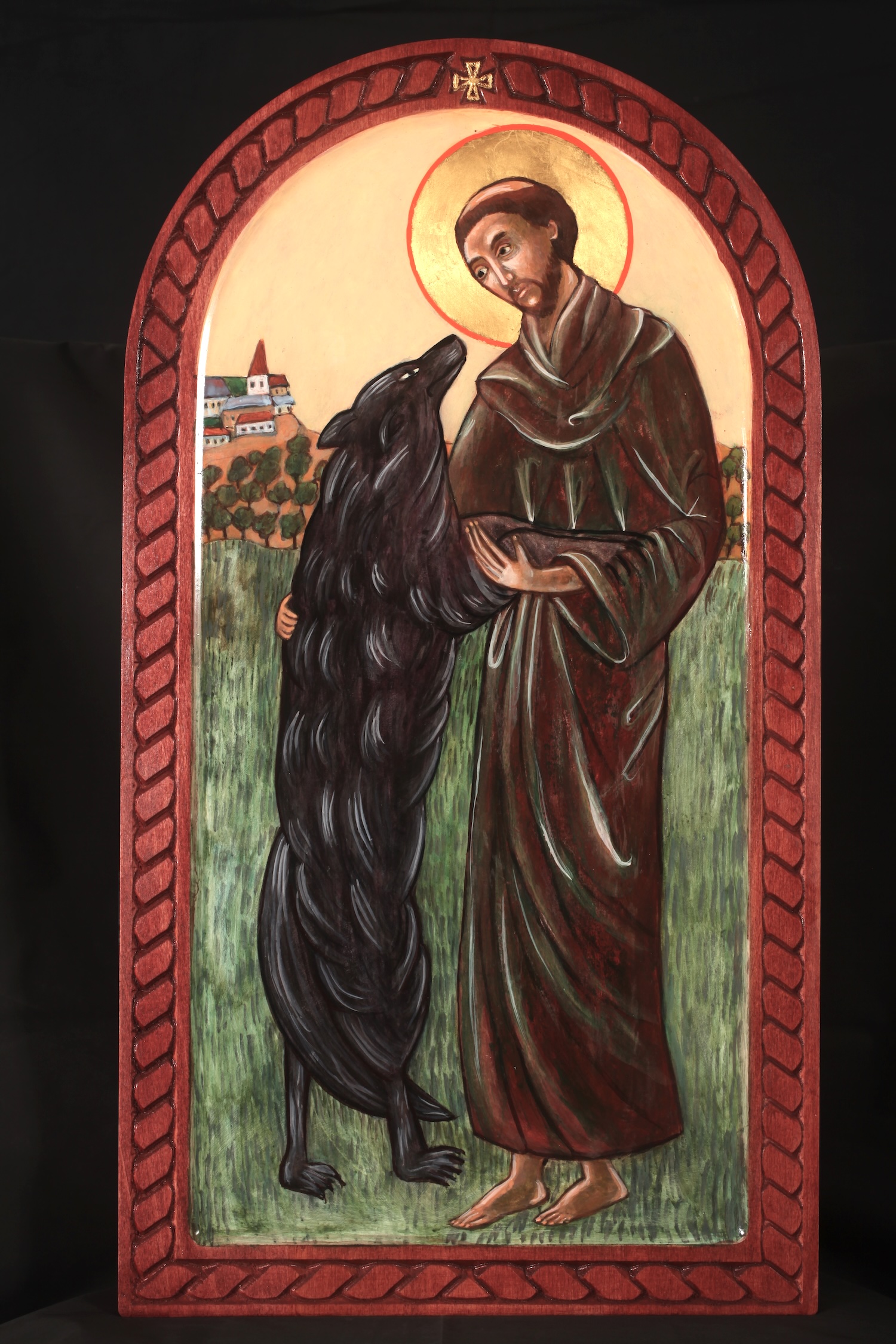
St, Francis and the Wolf of Lubbio written by Christine Hales

This is more than a book of history or devotional snippets—it is a tool for moving devotion “from head to heart.” Through the rhythm of the beads and the wisdom of the saints, readers are invited into a lived experience of prayer that feels both ancient and deeply personal.

Link to Purchase Book on Amazon
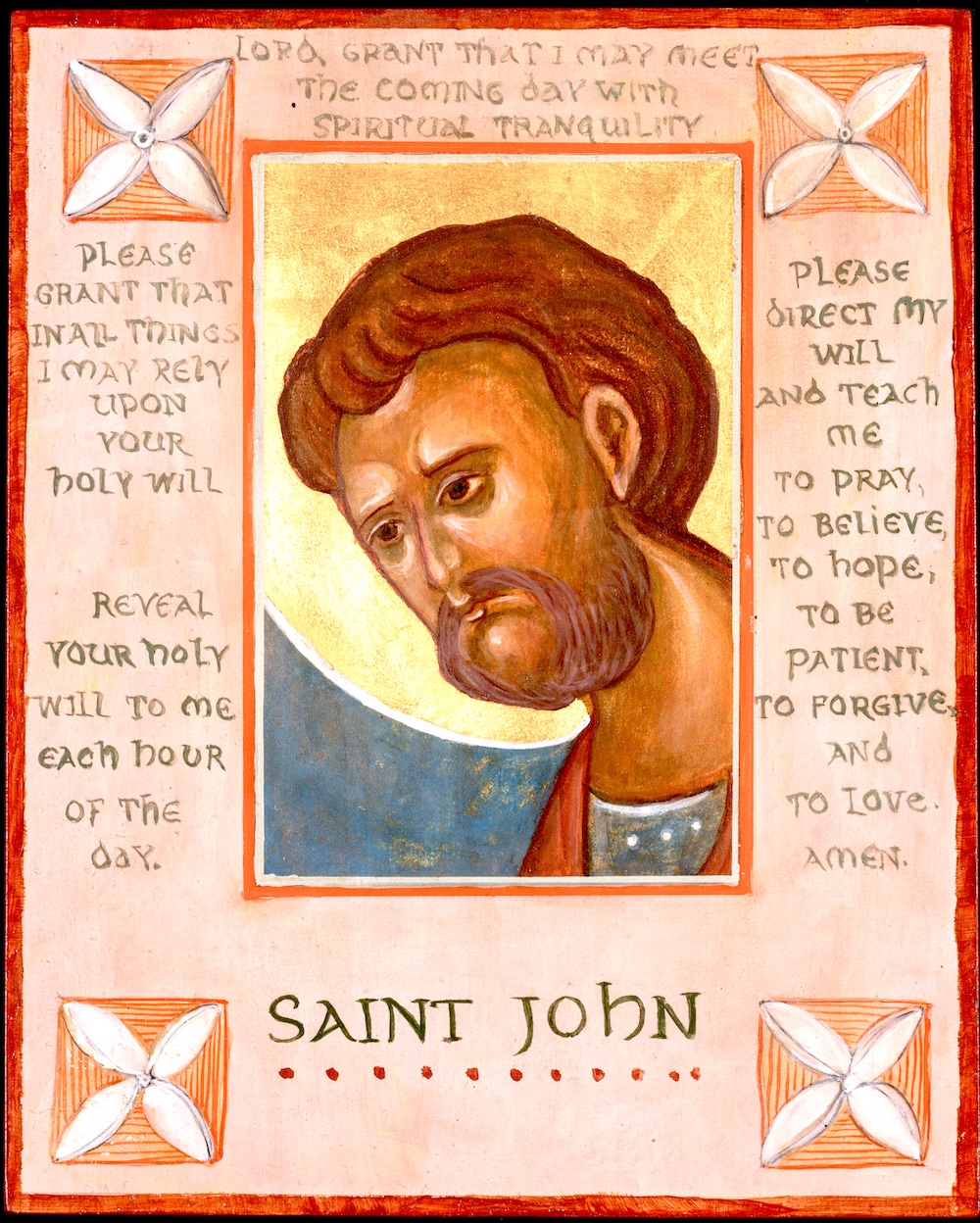
St. John Theologian Icon by Christine Hales

Art, Prayer, and the Ever-Living Presence of God

Together, these two books remind us of something essential: authentic Christian prayer is not an escape from the world but a way of seeing it more truthfully. Icons illuminate the radiant presence of Christ at the center of all things. The saints show us what life looks like when that presence is welcomed, trusted, and lived boldly across centuries and cultures.

Whether you are drawn to the serene gaze of Christ Pantocrator or to the stirring witness of those who followed him, these works offer gentle, profound companions for the spiritual journey.

They invite us—quietly but insistently—to ponder, to pray, and to be transformed.

Until next month, be blessed and be a blessing! And don’t forget, if you write an informative article about your icons or icon related information, please email me with your ideas and proposals. It would be wonderful to have articles written by more of you!

Love and prayers,

Christine Hales

Recent Posts on Saints; Stories of Saints and Icons and

All Saints Day.

My Next in- Person Icon Writing Retreats for 2026

LINKS For  Christine Simoneau Hales   2025

  1. https://newchristianicions.com   my main website
  2. Https://christinehalesicons.com  Prints of my Icons
  3. https://online.iconwritingclasses.com  my online pre-recorded icon writing classes
  4. https://www.youtube.com/channel/UCK2WoRDiPivGtz2aw61FQXA  My YouTube Channel 
  5. Facebook: https://www.facebook.com/ChristineHalesFineArt     or  https://www.facebook.com/NewChristianIcons/
  6. Instagram:   https://www.instagram.com/christinehalesicons/?hl=en
  7. American Association of Iconographers:  FB Group: https://www.facebook.com/groups/371054416651983

American Association of Iconographers Website: https://americanassociationoficonographers.com

Contact Christine: chales@halesart.com

Creating an Icon

Hello Dear Friends and Fellow Iconographers:

Sarasota, Lido Beach, September 2025

As we move into fall, it’s always a good time to reflect on the summer time that is past and imagine what we hope to accomplish this winter season.  I’ve been doing a lot of Icon writing teaching this past summer, which I have loved.  But it does come at the expense of having creative time to create icons, so I am very happy to have some time ahead of me to create new icons and experiment with different colors and techniques.  I hope to have some work to share with you by the end of the year!

One of the main ways I have of supporting students as they move from taking classes to working on their own is through Patreon.  On this platform, for a nominal monthly fee, I offer a few different levels of membership that can help new iconographers to grow, ask questions, share concerns about their icon painting techniques and receive feedback.  If you are interested, you can go to Patreon and look up Christine Hales Icons, or I will put a link for you at the end of this article.

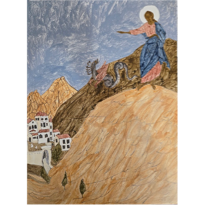
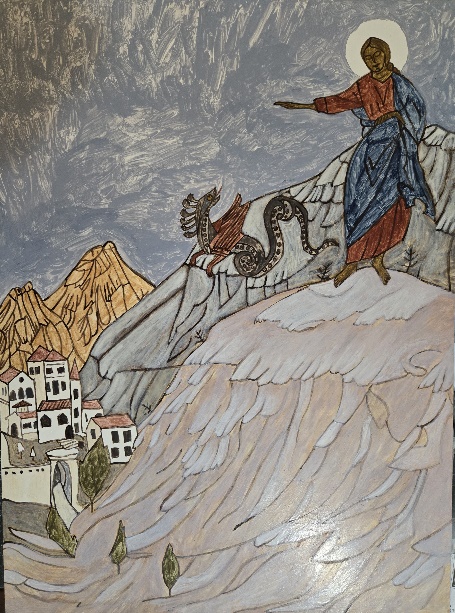
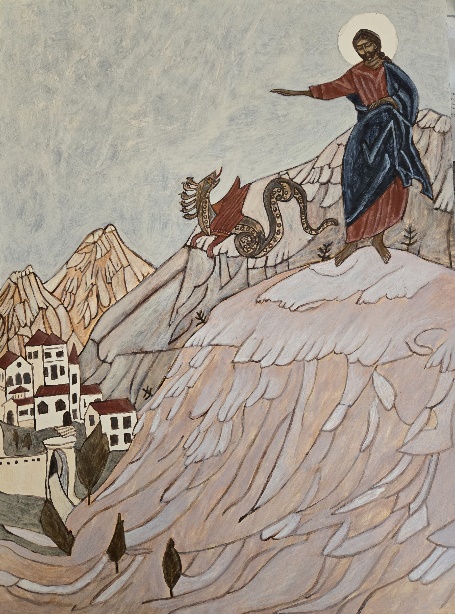
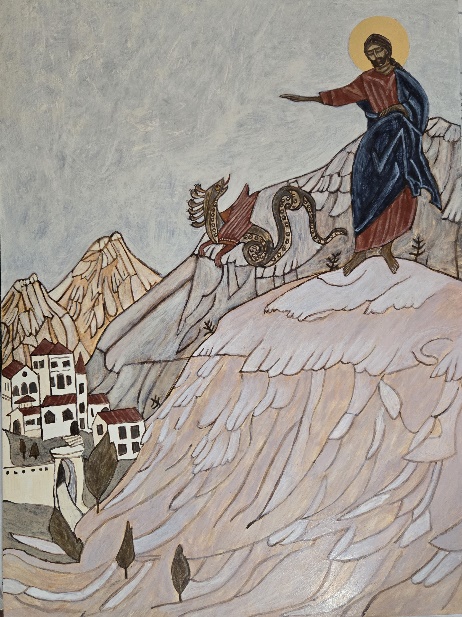
All this to say, that one of my long time students has created an original and insightful icon, “The Temptation of Christ”, which I would like to share with you this month. Sue Valentine is a minister who wanted to have the icon speak to that moment of Christ’s temptation by the devil.  Along the way, through many changes and transitions, the creating of the icon has provided a space for discussing and reflecting upon this moment in Christ’s ministry, and we worked together discerning how best to portray the meaning and message in iconographic form.

Sue has generously shared about her thoughts and process which I include here, along with some sequential images of the changes the icon went through until completion.

The Temptation of Christ Icon written by the Hand of Sue Valentine

“Jesus faced three temptations before He began His public ministry.  The final temptation is the subject of this icon.  The devil led Jesus to a high place, showed Him in an instant all the kingdoms of the world, and offered them to Jesus now, without having to suffer and die, if only Jesus would worship him.

This is a less familiar story to some, and because I wanted people to understand what they were seeing, the haiku at the bottom is an attempt to summarize the scripture for them:

“Kingdoms, if you bow.”

“Away from me, O Satan.”

“Worship God, alone.”

         Matthew 4:8-10

People struggle with the idea of whether Jesus could be tempted.  Sometimes the word is translated “test”.  But whether He was tempted or tested, for this to be a true “test”, it had to have been possible for Jesus to fail it.  What would have happened to us had He failed the test and worshipped Satan?  

Kingdoms are tempting.  Power is tempting.  The ground surrounding the kingdoms depicted in the lower left are painted with gold to depict a counterfeit of heaven’s “streets of gold”, and subtle gold highlights in the windows imply there is something desirable yet hidden within.  I decided not to make the kingdoms look more obviously attractive by applying gold to the outsides of the buildings.  Kingdoms are, after all, seductive.  But thankfully, Jesus wasn’t motivated by kingdoms. He was motivated by rescuing us.

More Progress Photos

The Homily, or Application of the Story

I felt His clarity of purpose as He responded to Satan, “Worship God, alone”, as He pointed His finger at the dragon.  I find it interesting that there is no agitation on Jesus’ face.  His eyes are closed.  He is serene.  But His conviction is clear.

Like most people, I would like to receive a reward from God without suffering, or without having to walk the whole road He has for me.  I felt that as I wrote this icon.  I struggled mightily with color choices, especially with the mountains and the inner background, and changed them many times asking the Holy Spirit to help me.  

It’s tempting to want to design our own roads.  It’s tempting to want an easy life.  But that is not the way of a disciple.  Worship of God includes acknowledging that He determines our path, including the subjects of our icons and the process we go through as we write them.”

Sue Valentine

I’m so grateful that Sue has shared this with all of us, and I hope that this can provide a model not only for discerning how to paint a particular icon, but also for allowing God to speak to us through the process of icon writing and convey that to the viewer.

With this, I put out a request to those of you with icons and their development to share with us all in next month’s newsletter. Just email me with your thoughts and photos: chales@halesart.com

I close this month’s newsletter with a prayer and quote from Psalm 106:

“For your lovingkindness is greater than the heavens, and your faithfulness reaches to the clouds. Exalt yourself above the heavens O God, and your glory over all the earth, so that those who are dear to you may be delivered, save with your right hand and answer me.”

May God grant you all peace and the ability to be peace makers, and bless the work of your hands,

Love and prayers,

Christine Simoneau Hales

My Links:

MY PATREON: CLICK HERE

  1. https://newchristianicions.com   my main website
  2. Https://christinehalesicons.com  Prints of my Icons
  3. https://online.iconwritingclasses.com  my online pre-recorded icon writing classes
  4. https://www.youtube.com/channel/UCK2WoRDiPivGtz2aw61FQXA  My YouTube Channel 
  5. Facebook: https://www.facebook.com/ChristineHalesFineArt     or  https://www.facebook.com/NewChristianIcons/
  6. Instagram:   https://www.instagram.com/christinehalesicons/?hl=en
  7. American Association of Iconographers:  FB Group: https://www.facebook.com/groups/371054416651983
  8. American Association of Iconographers Website: https://americanassociationoficonographers.com

CHRISTINE HALES ICONS ON PATREON

Icons For Lent

If ever there were icons that personified the phrase, “Icons as theology in Color” it would be Lenten and Easter Icons.

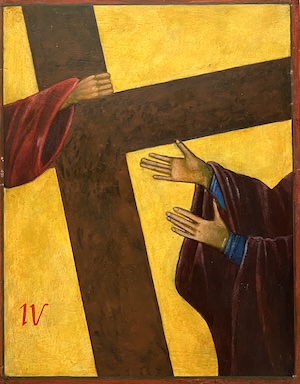
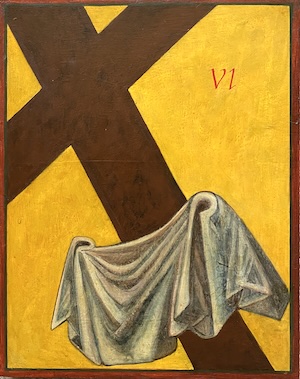
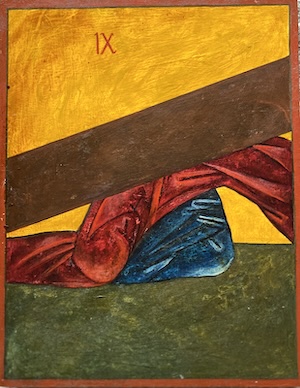
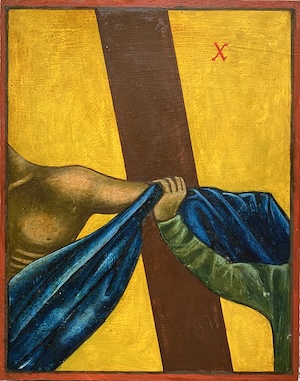
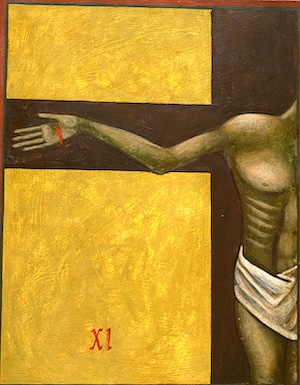
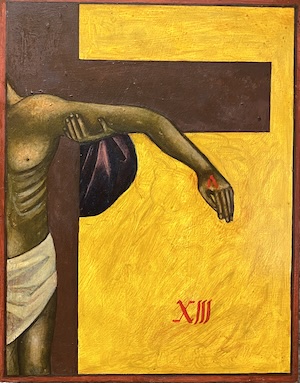
We could start with the Stations of the Cross Icons.

I wrote these icons many years ago in a small village in the Hudson Valley New York.  I had been asked by my priest at the beginning of Lent to write these icons and have them finished by Good Friday!!!  Those of you who have written icons know how impossible a task that seemed! And so it was, that I embarked on that somber and deep journey of walking with Christ as I created each icon with prayer and sometimes tears.  I do want to mention that I was studying icon writing at that time with a nun at the New Skete Monastery in upstate New York, Sister Patricia Reed.  When I would go up to work with her, I often watched her as she created her Stations of the Cross icons for the All Saints Cathedral in Albany New York.  So, I asked for her help and she kindly gave me color photographs of her stations, which I used to create these icons here.  That was a big help, and it is part of the traditions of icon writing, that the designs are handed down from generation to generation, from teacher to pupil, thus ensuring a correct understanding and transmitting the means and methods of icon writing from master to student.

These currently hang in the chapel of the Cathedral of Saint Peter in Saint Petersburg, Florida. The tradition of walking the path of Christ’s Passion dates back to the earliest Christian pilgrims, who visited the sites in Jerusalem believed to be where Jesus walked to his crucifixion. By the 13th and 14th centuries, the Franciscans—who had been granted custody of Christian holy places—popularized this devotion in Europe by constructing “stations” that mirrored the Via Dolorosa. Over time, different numbers of stations were used, until Pope Clement XII fixed the total at fourteen in 1731.

During the late Middle Ages, devotion to the Stations of the Cross was tied to the idea of indulgences, leading some Protestants to reject the practice. Nonetheless, Francis of Assisi and his order played a pivotal role in promoting veneration of Christ’s Passion, establishing shrines and receiving papal recognition as custodians of the holy sites. By the 15th and 16th centuries, the Franciscans built outdoor Stations of the Cross across Europe, often placing them in small chapels or along paths leading to churches.

The titles of each Station, and the Scripture relating to it are as follows:

Station One. The accusing hand condemns Jesus to crucifixion.  Matthew 27:31

Station Two. Jesus Picks up His cross.  The strong diagonals give a powerful sense of unrest, explosive energy.  John 19:6

Station Three. Jesus Falls For the First Time from the weight of the Cross. John 19: 1-3

Station Four. Jesus Meets His Blessed Mother. Luke 2: 34-36 …and a sword shall pierce your heart…

Station Five. The Cross is laid on Simon of Cyrene. Luke 23:26-27. Bent over double, the cross almost crushes Jesus.

Station Six  Saint Veronica wipes the face of Jesus. Isaiah 53:2-3

Station Seven: Jesus Falls for the Second Time This time the diagonal of the cross is pointing forward- this is the halfway point of the Passion

Station Eight: The Women of Jerusalem mourn our Lord Luke 23:28-29

Station Nine:  Jesus Falls for the Third Time.  Isaiah 53:4-6

Station Ten: Jesus is Stripped of His Garments. Luke 23: 34-35

Station Eleven : Jesus is nailed to the Cross. Luke 23:33

Station Twelve:  Jesus Dies On The Cross        Luke 23:44-47. Into your hands I commend my spirit… The rectangle is broken- split apart, showing visually the magnitude  of this event forever changes the world.

Station Thirteen: Jesus is Taken Down from the Cross.   Matthew 27: 54-55.  The position of the hand shows that he is dead.

Station Fourteen:  Jesus is Laid in the Tomb.  Matthew 27:59-62

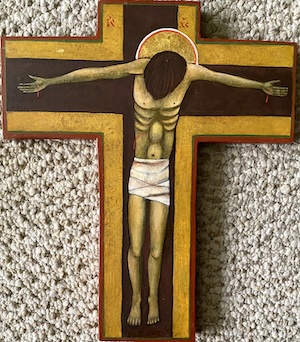
With these, you may notice that no faces are visible, and the flesh color is neither white, black or any particular ethnicity. This is because these icons are meant to be a universal visual language to be “read” and related to by all humans, because God’s plan is to save all people.

Some other of my icons that relate to Lent and Easter that are also currently at the Cathedral of Saint Peter- until after May 1, are :

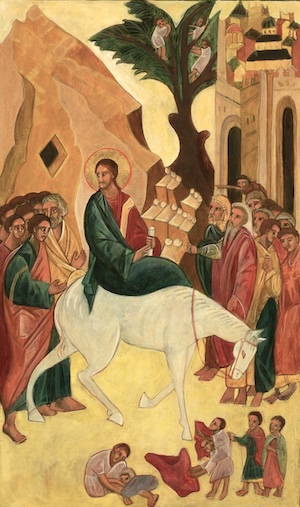
Entry into Jerusalem. Written by Christine Hales
Crucifixion. Christine Hales
Lamentation. Christine Hales
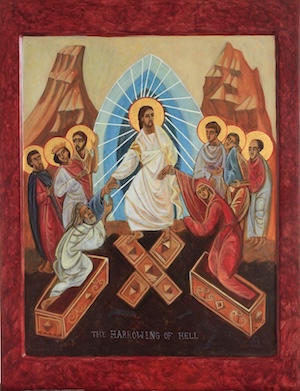
Harrowing of Hell. Christine Hales

Thinking about the Cross and Icons, I came across this writing of St. Theodore the Studite, an Abbot in a monastery in Bithynia in the late 800’s: “THE CROSS AND THE ICON. “Should the cross be venerated more than the icon?” the heretics ask. “Should it be venerated equally, or in a lesser degree?”

“Since there is a natural order in these things, I think you are speaking superfluously. If by ‘the cross’ you mean the original cross, how could it not have priority in veneration? For on it, the impassable Word suffered, and it has such power that by its mere shadow it burns up the demons and drives them far away from those who bear its seal. But if you mean the representation of the cross, your question is not intelligent. The effects receive differing honor just as much as the causes differ, since whatever is received for some use is less honored than that for the sake of which it was received. Thus the cross is received for the sake of Christ, because it was formerly an instrument of condemnation, but was later hallowed, when it was accepted for the use of the divine passion.” St. Theodore the Studite, On The Holy Icons.

Having just given a talk and written an article attempting to explain the period of iconoclasm, I include the above quote as an eloquent explanation not only of the veneration of the Cross, but also of the obvious distinctions between veneration due to the original source and that due a replication of it.

I’ll close this month’s blog with a prayer and a blessing for God to bless each of you especially during this Holy Season of Lent and Easter:

“Gracious Father, whose blessed Son Jesus Christ came down from heaven to be the true bread which gives life to the world; Evermore give us this bread, that He may live in us, and we in him; who lives and reigns with you and the Holy Spirit, One God, now and forever. Amen.” From the Book of Common Prayer.

With love and prayers,

Christine Hales

Some Interesting Links for Iconographers

Sacred Geometry with Donald Duck! A fun explanation for beginners

Interview with Todor Mitrovic, Orthodox Arts Journal

Christian Iconography Shows Us the Pattern of Reality: Jonathan Pageau, St. Tikhon’s Seminary

My Links:

LINKS For  Christine Simoneau Hales   2025

  1. https://newchristianicions.com   my main website
  2. Https://christinehalesicons.com  Prints of my Icons
  3. https://online.iconwritingclasses.com  my online pre-recorded icon writing classes
  4. https://www.youtube.com/channel/UCK2WoRDiPivGtz2aw61FQXA  My YouTube Channel
  5. Facebook: https://www.facebook.com/ChristineHalesFineArt     or  https://www.facebook.com/NewChristianIcons/
  6. Instagram:   https://www.instagram.com/christinehalesicons/?hl=en
  7. American Association of Iconographers:  FB Group:  https://www.facebook.com/groups/371054416651983

American Association of Iconographers Website: https://americanassociationoficonographers.com

Mystics, Healing, and Icons

Dear Fellow Iconographers:

My husband and I were honored to be inducted into the Order of Saint Luke this past summer.  The Order of Saint Luke is an international, inter-denominational organization made up of healing communities of faith, prayer, and service.  And so I have been thinking a lot about icons, miracles, mysticism and healing.  Can an Icon heal?  That’s a trick question!  Only God can heal, but an icon can bring the person into remembrance of Jesus’ healing ministry to inspire and strengthen faith in God’s desire and commitment to heal His people.

Christ in Glory created by the hands of Christine Hales

So how do we define healing?  True healing is Salvation. What is Salvation?  It can mean being saved from danger, disease, and the consequences of sin by the power of the Resurrection of Jesus Christ.  So, by these definitions, we create a field where an Icon can bring the viewer into visual relationship, remembrance and anticipation of the action of God’s grace which He freely gives us.

Not all icons need to be healing icons.  Some are created as vehicles for instruction in Biblical and Gospel truths, some for aiding in prayer and the liturgy, and inspiring God’s people through holiness, sacredness and beauty. My mission is to carry this healing charism in icons forward into our present day.  There’s quite a strong historical foundation of the healing ministry in the Christian church, beginning with our Lord Jesus. Many of the Christian mystics experienced people being healed wherever they went.

St. Fyodor of Rostov painted by the hand of Christine Hales

Mystics and Healing

The mystical spiritual tradition that has existed through the centuries is accepted by both the Eastern and Western Church.  In its simplest form, mysticism is a desire to touch or experience God in some tangible way. And when we touch God, we are transformed.

Both ancient and modern mystics practiced contemplation, insight, intuition, prayer in deep experience of worship in order to increase their direct relationship with God. In medieval times, men and women had a keen sense of God acting in the world around them through people, animals, and forces of nature. Mystics cultivate a devotion to God’s Holy Spirit and have their eyes open to God’s miracles happening around them.

Early Christian Mystics

Irenaeus, (c.130-202), one of the early church fathers, wrote: “It is impossible to number the gifts which the Church throughout the world has received from God in the name of Jesus Christ…Those who are in truth his disciples, receiving grace from Him, do in His name perform (miracles), so as to promote the welfare of other men, according to the gift each one has received from Him.”

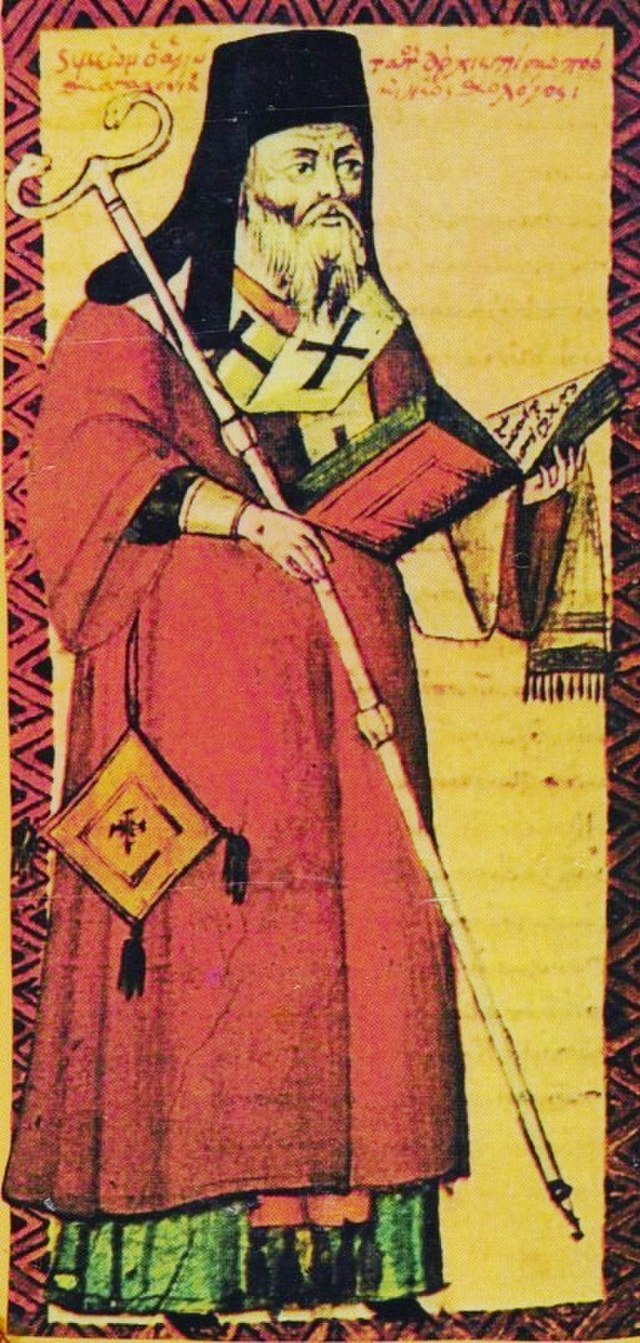
Symeon the New Theologian

Symeon the New Theologian (949-1022), emphasized the importance of having a direct personal experience with God through grace and prayed often to receive the gifts of the Spirit. “Leave the world…do not be concerned about the present life. Knock at the gates of Christ’s Kingdom for the Son will give the Spirit to whoever asks, and he who seeks will certainly find and be enriched with the fullness of all God’s gifts.”  “Pentecost to the Present”, by Jeff Oliver.

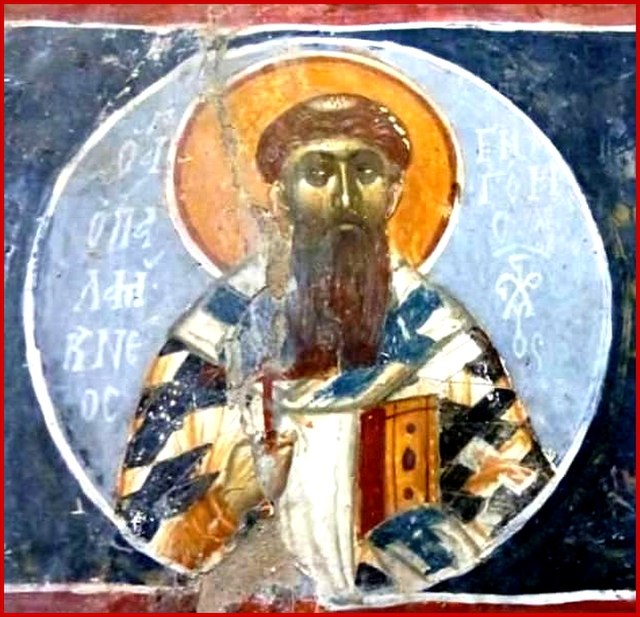
Gregory of Palamas

Gregory of Palamas (1296-1359) was a Greek Monk and theologian who, while a Bishop of Thessalonica, would defend the traditions of the Hesychasts mystical prayer practice as opposed to the more rational and intellectual approach to prayer and worship that was in fashion at the time. 

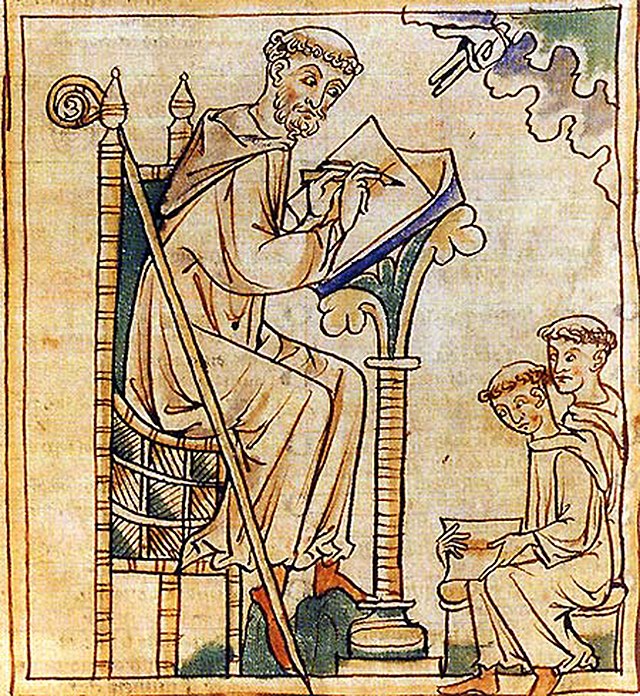
Bernard of Clairvaux

In the West, Bernard of Clairvaux (1090-1153), wrote “We have all, I think, received the Spirit unto salvation, but not to all has he been given unto fervor.  In fact, only very few appear to be filled with this Spirit of fervor, very few show any desire to obtain it.  We are content with our own cramped littleness, and make no endeavor to rejoice in or at least to aspire to the liberty of the spirit which that Spirit confers.” Bernard believed in a personal, immediate  and direct personal faith with Christ as opposed to any rational or ritualistic approach.  When the Pope commissioned Bernard to preach the enrollment for the second crusade, Bernard preached to an open field who, upon hearing him, enlisted en masse. He then passed into Germany where miracles reportedly followed: “The breathing, the touch, the prayer, the benediction of Bernard had wonderful effects.  At his voice, the most chronic conditions disappeared instantly and entire populations related with astonishment the cures to which they had been witnesses. Everywhere along his route the blind regained their sight, the deaf and dumb heard and spoke; paralytics recovered the use of their limbs; those supposed to be possessed by evil spirits were calmed and restored to reason.

Icons, Mystics, and Healing

Why am I relating these early church fathers to creating icons in the twentyfirst century?  Perhaps what we need to be emulating is not the outward form of early icons, but the Spirit that created them, and how we too can create Holy Spirit filled icons that will bless God’s people in our generation and in generations to come.  I hope these monthly articles inspire and help give direction to all who seek to bless God’s people by creating holy icons.  May we hold each other in prayer for protection and the grace of God to bless the work of our hands.

Until next month,

Christine Hales

New Christian Icons Prints of My Icons

If you would like to read a post I wrote on “All Saints Day”, here’s the link: https://wordpress.com/post/americanassociationoficonographers.com/28287

If you would like to read a post I wrote on ” Miracle Working Icons” here is the link: https://americanassociationoficonographers.com/2021/11/30/miracle-working-icons/#:~:text=How%20can%20icons%20be%20miracle,some%20of%20them:%20Russian%20Icons.&text=There%20are%20many%20kinds%20of,a%20long%20period%20of%20time.

Source: Much of the information shared above comes from Jeff Oliver’s excellent book: “Pentecost to the Present”, The Holy Spirit’s Enduring Work in the Church.